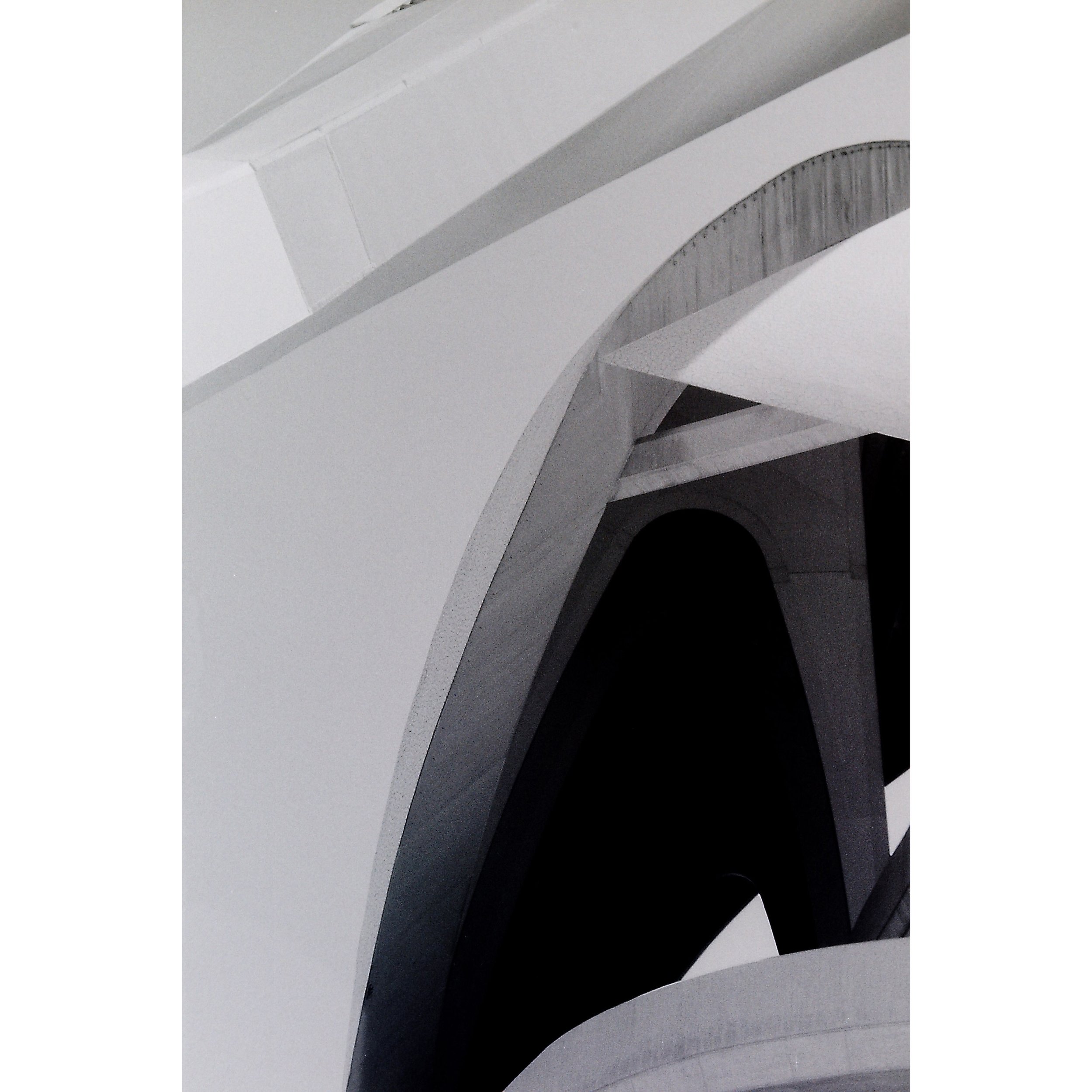
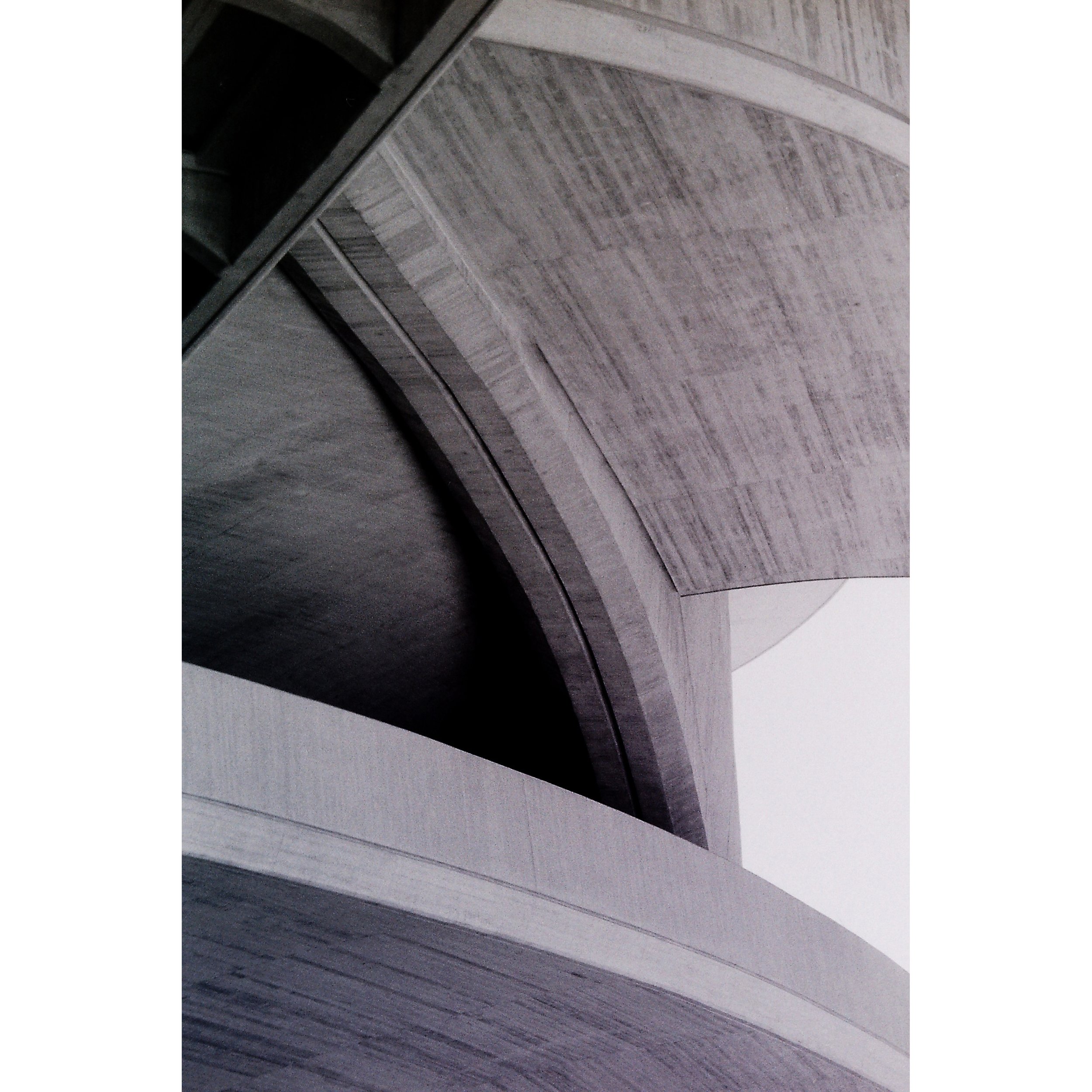
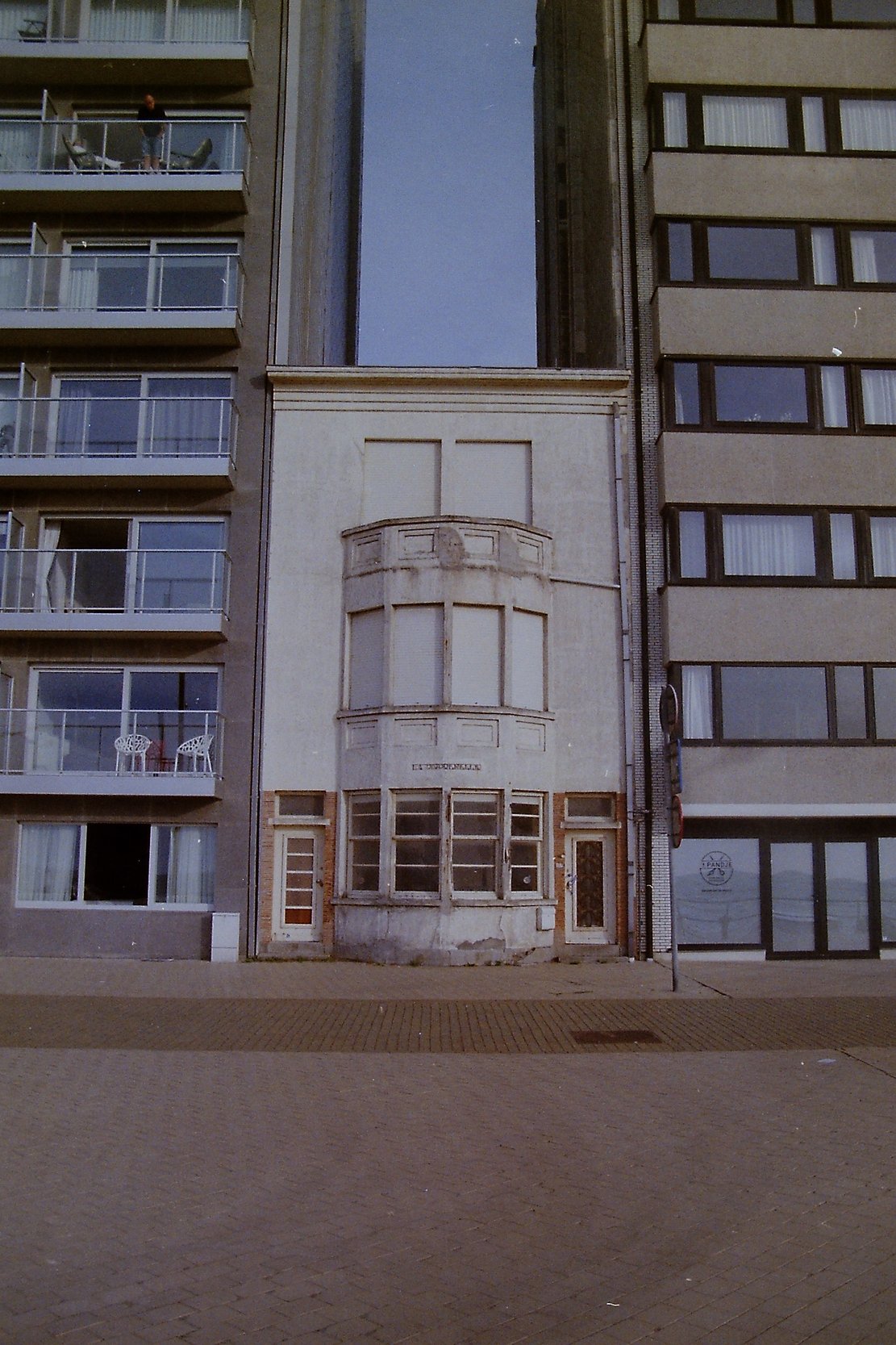
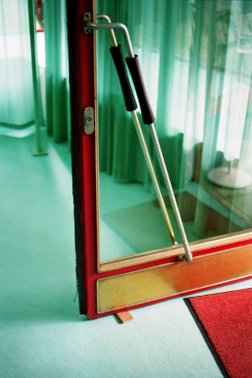
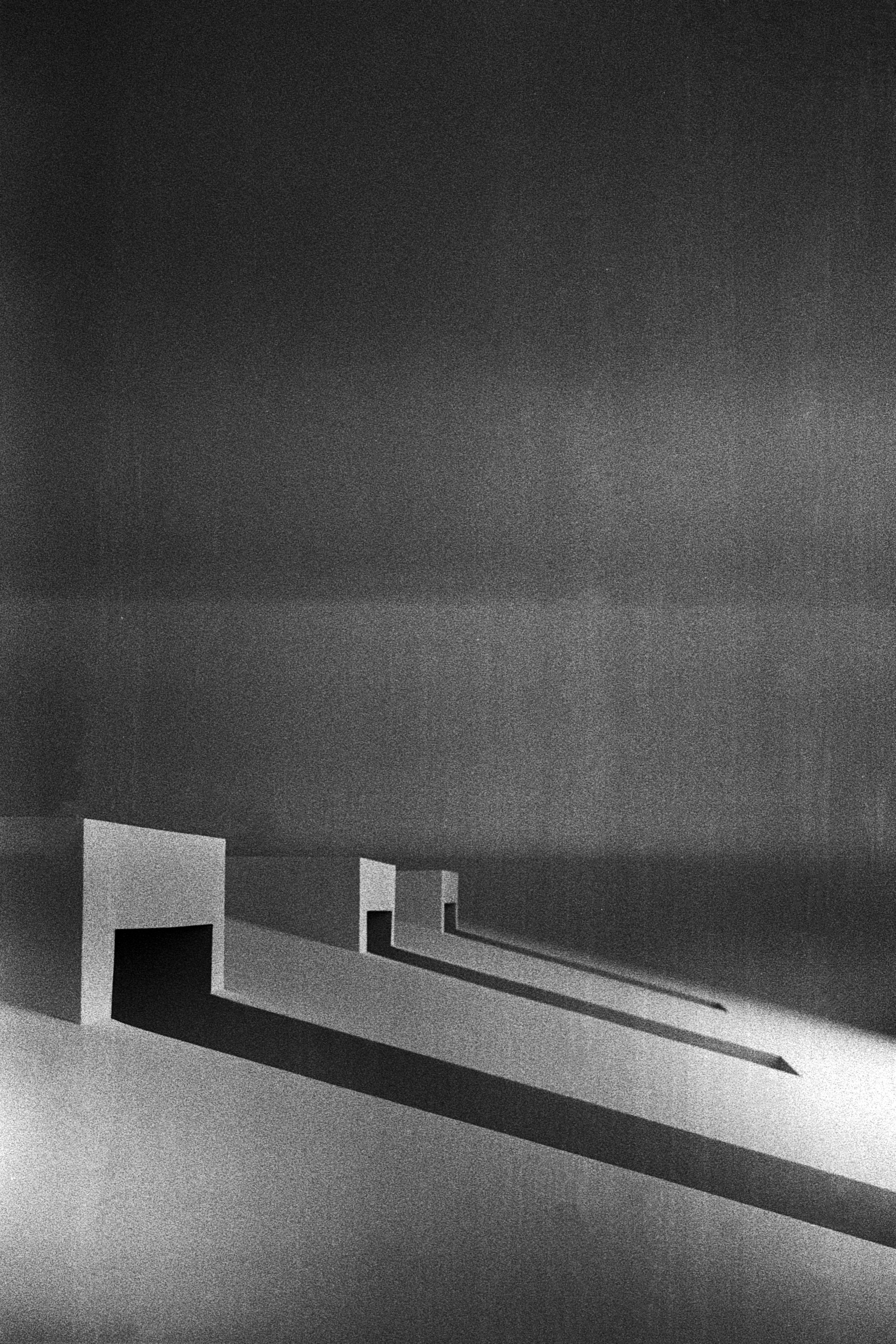
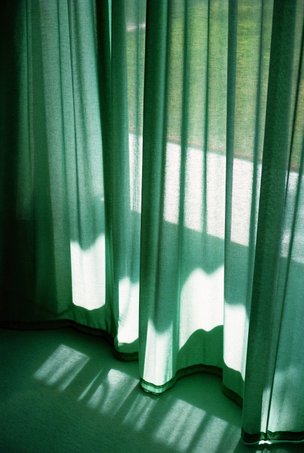
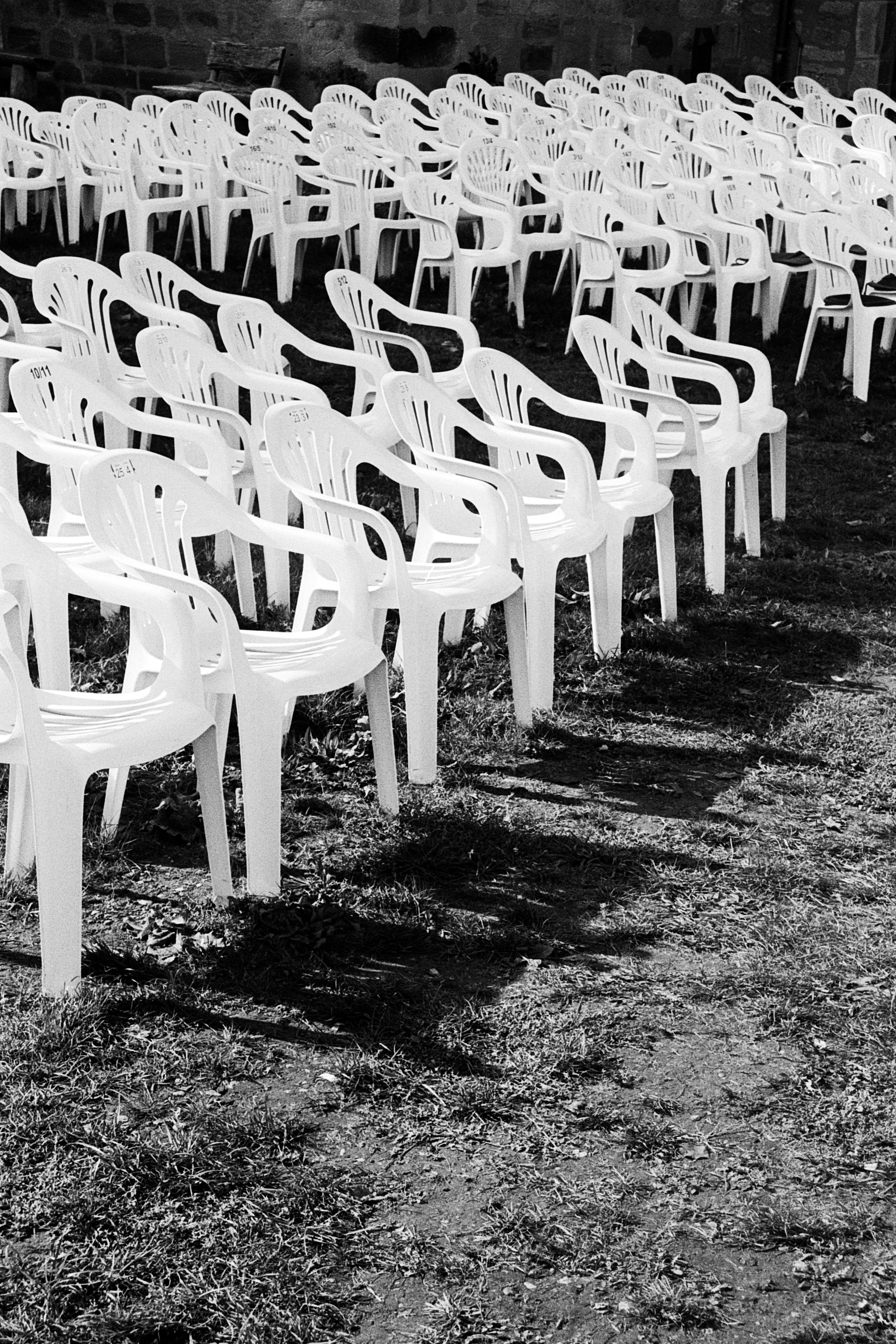
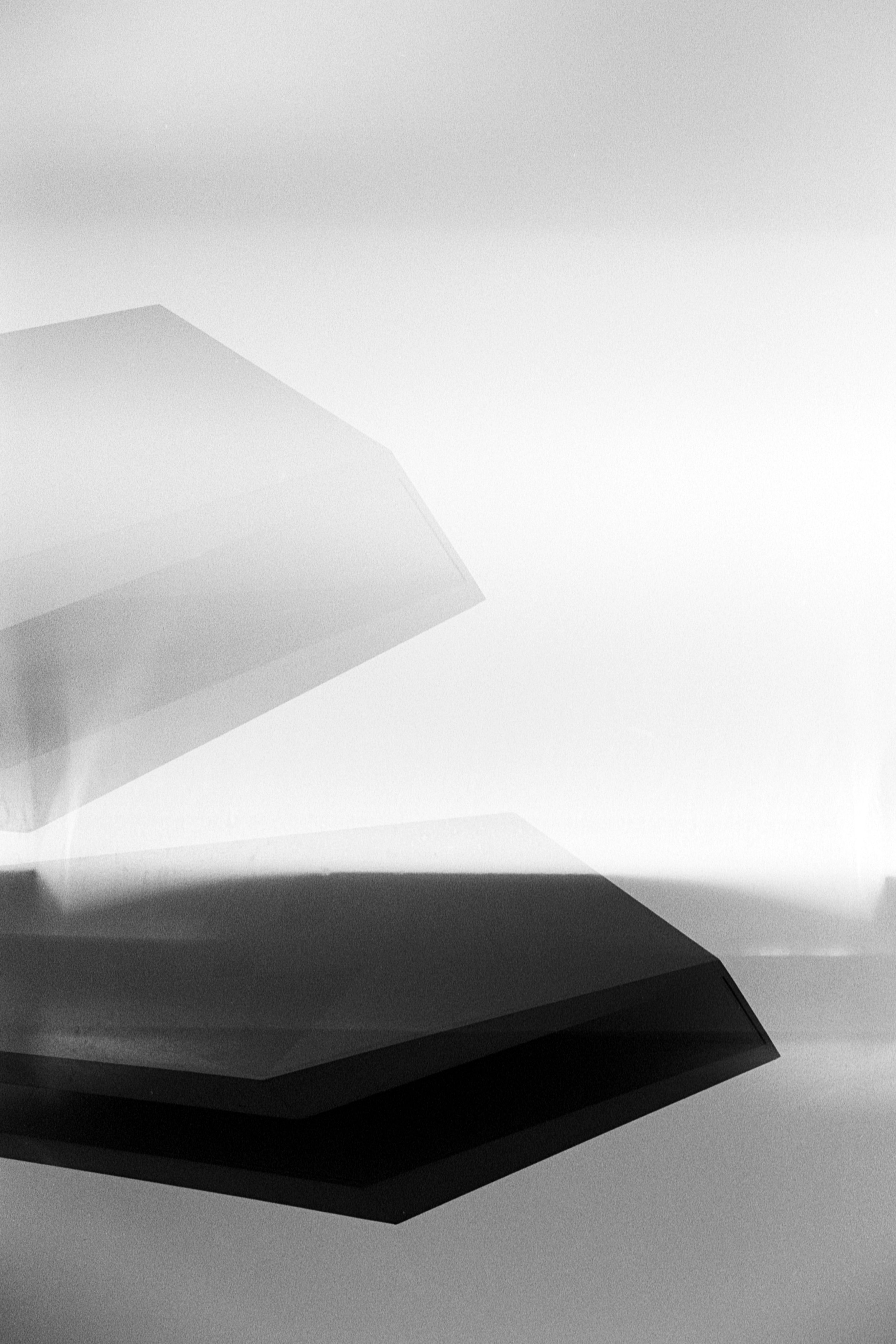
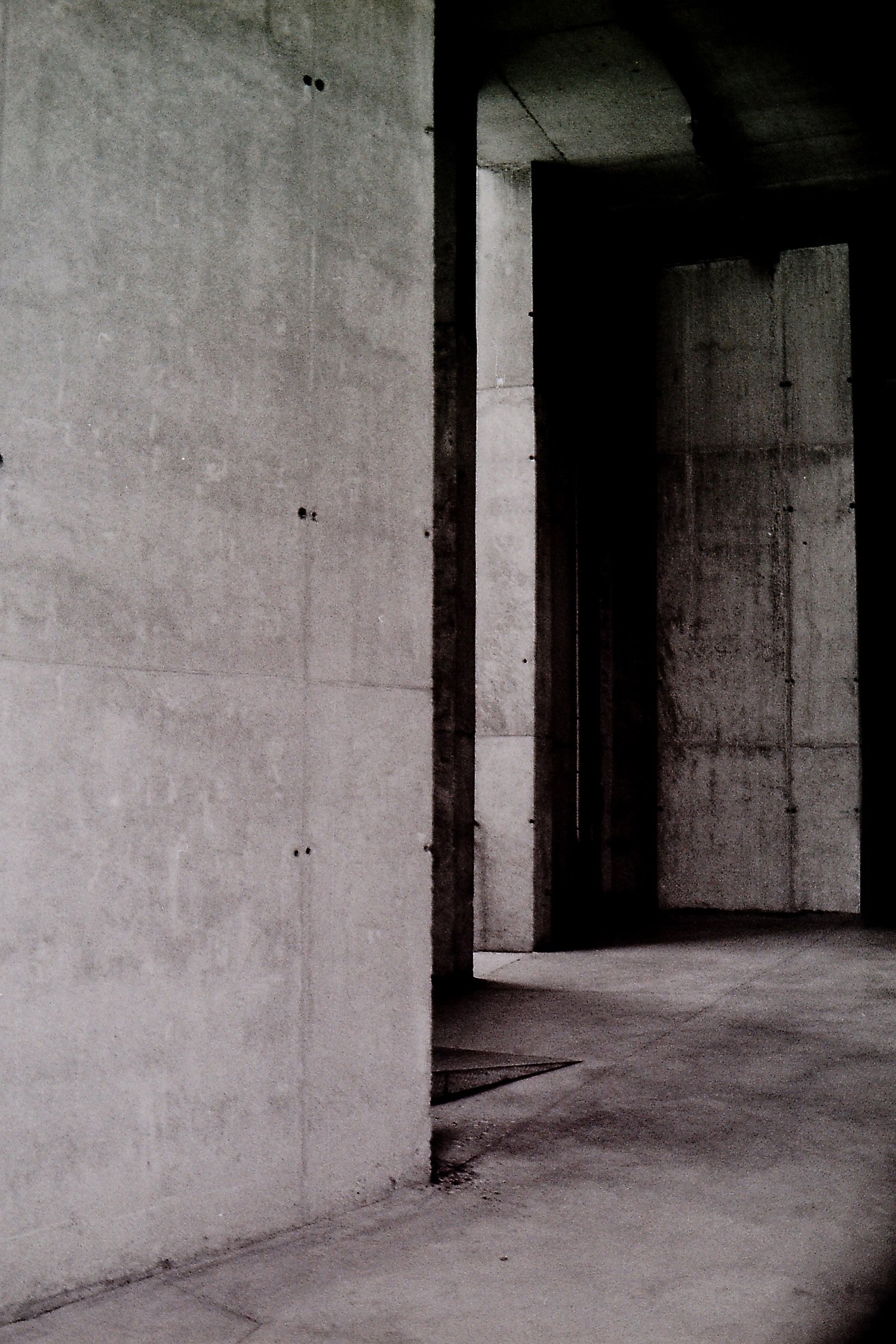
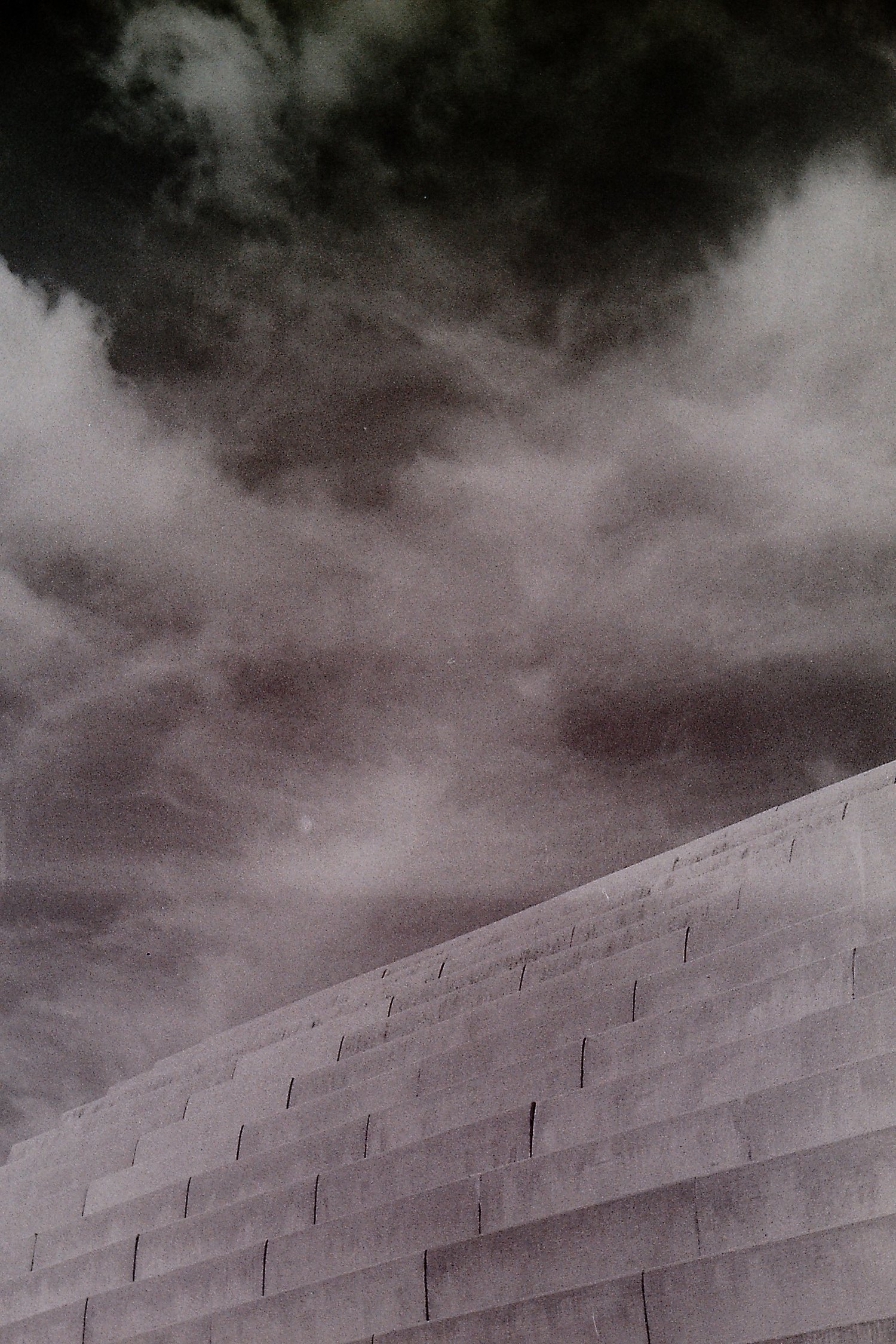
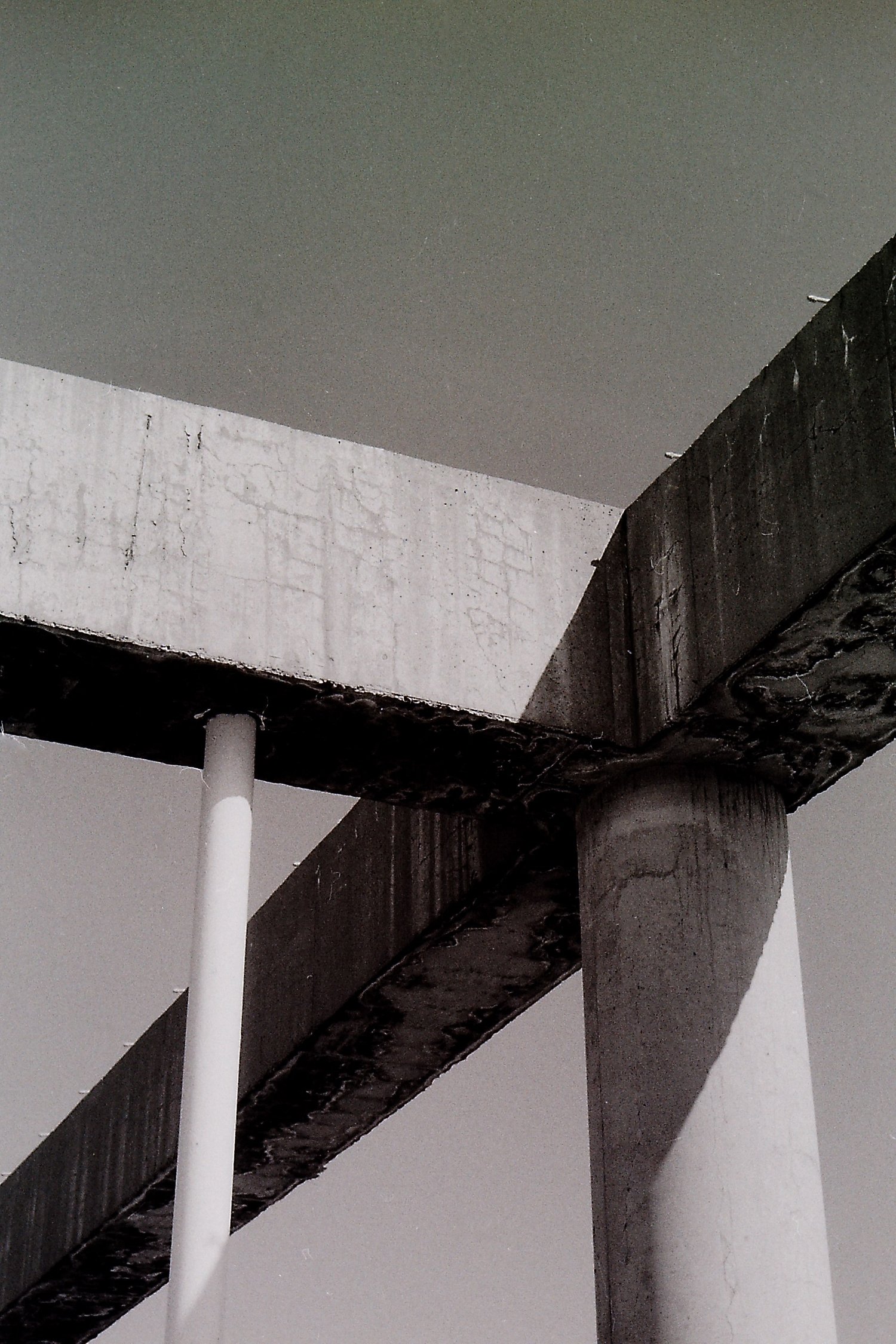
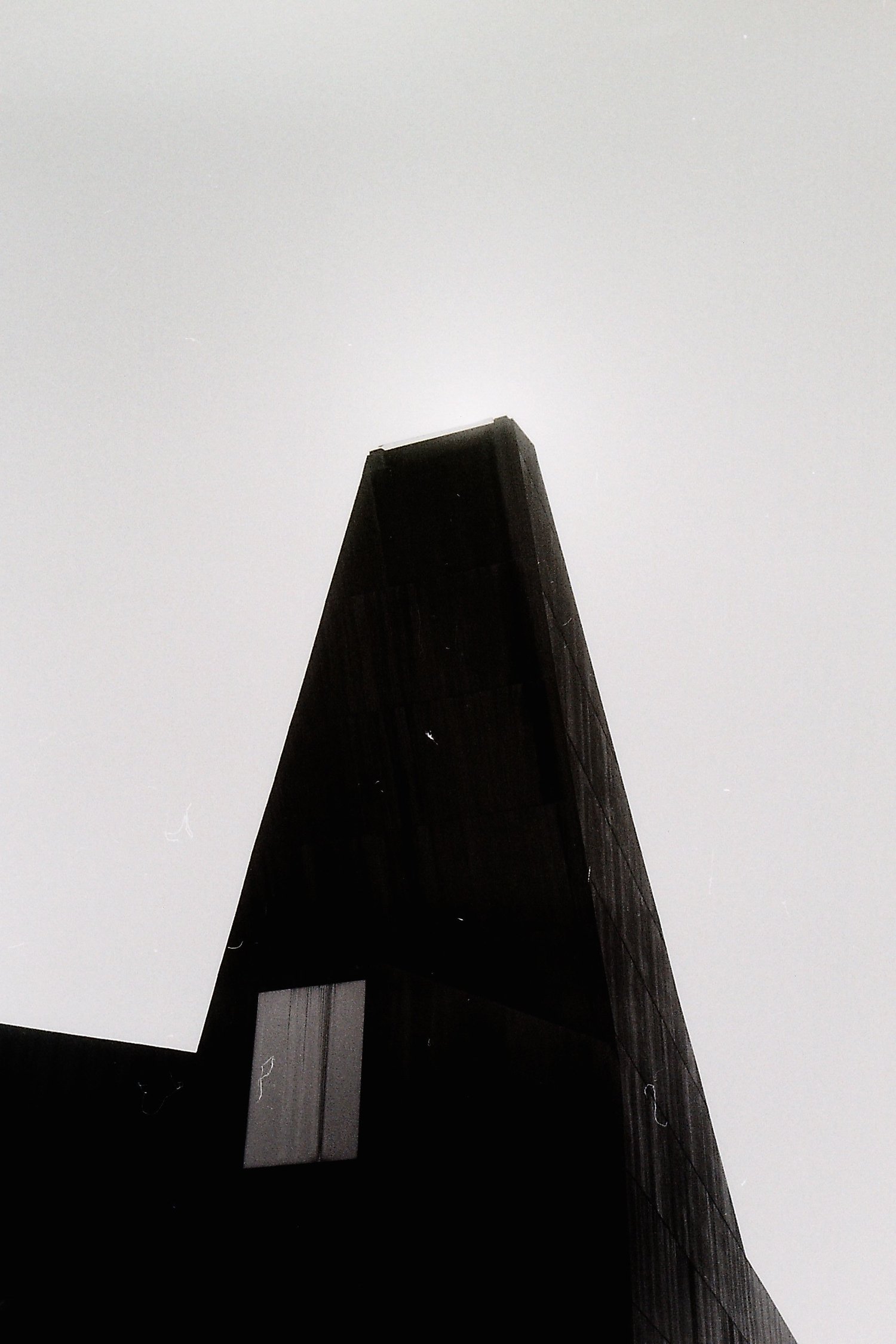
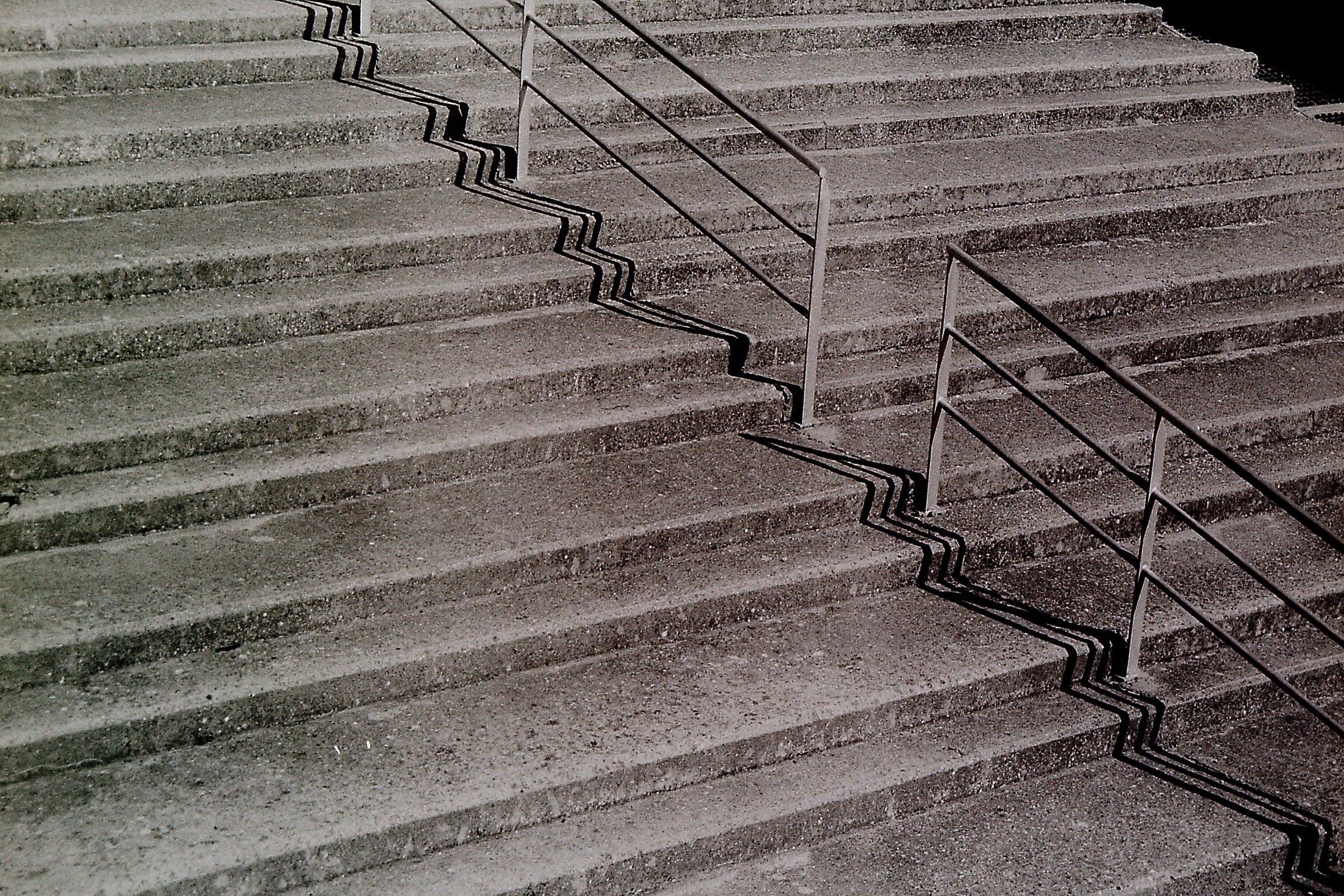
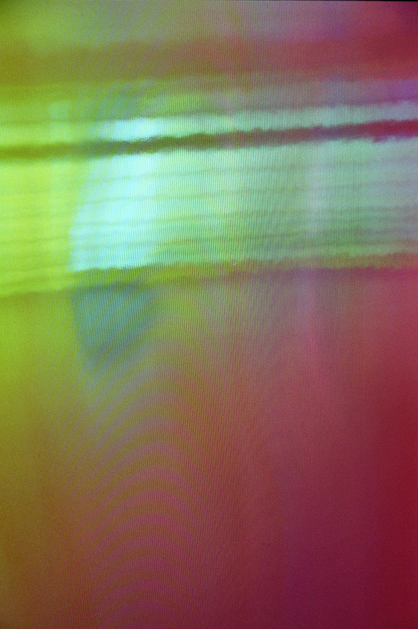
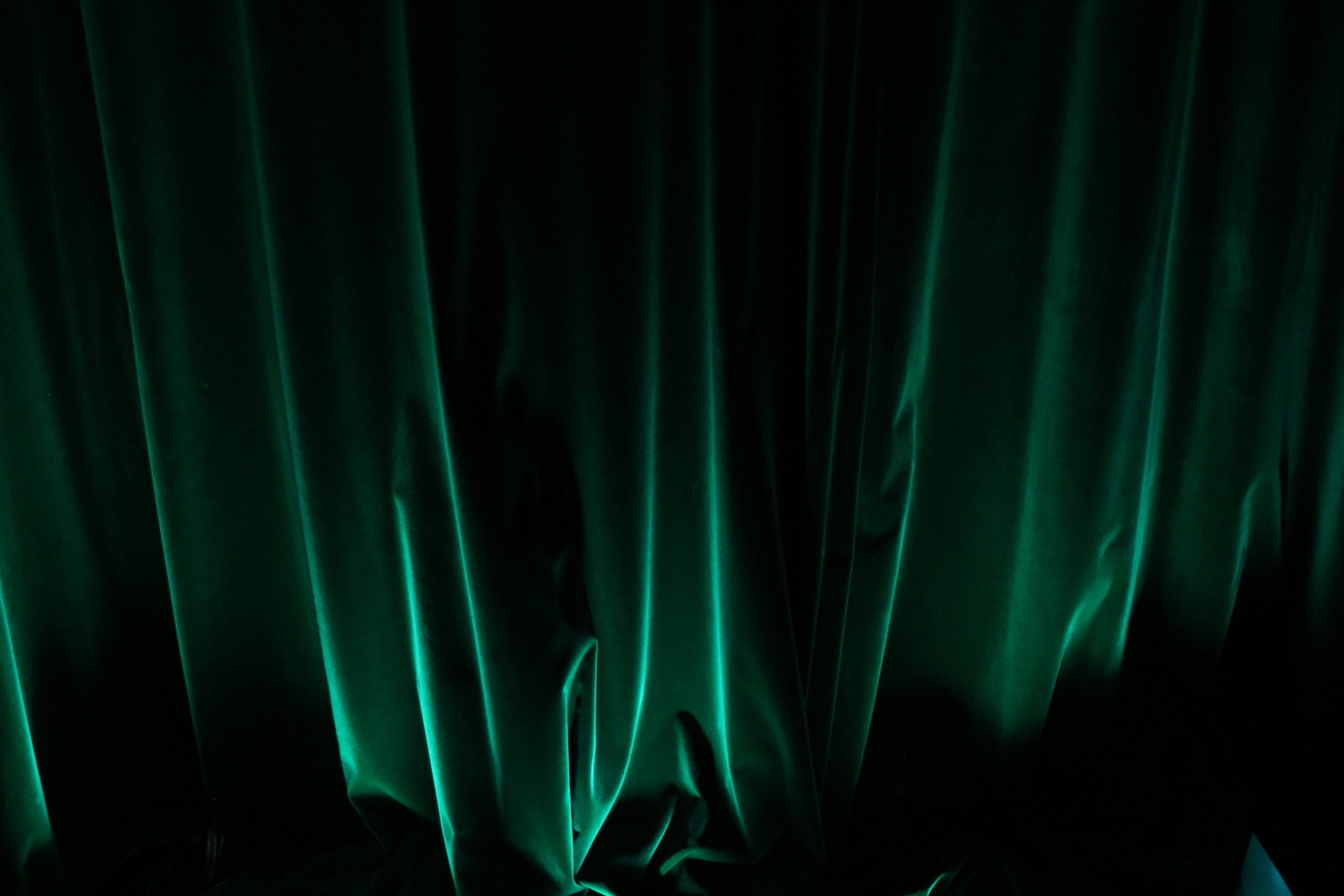
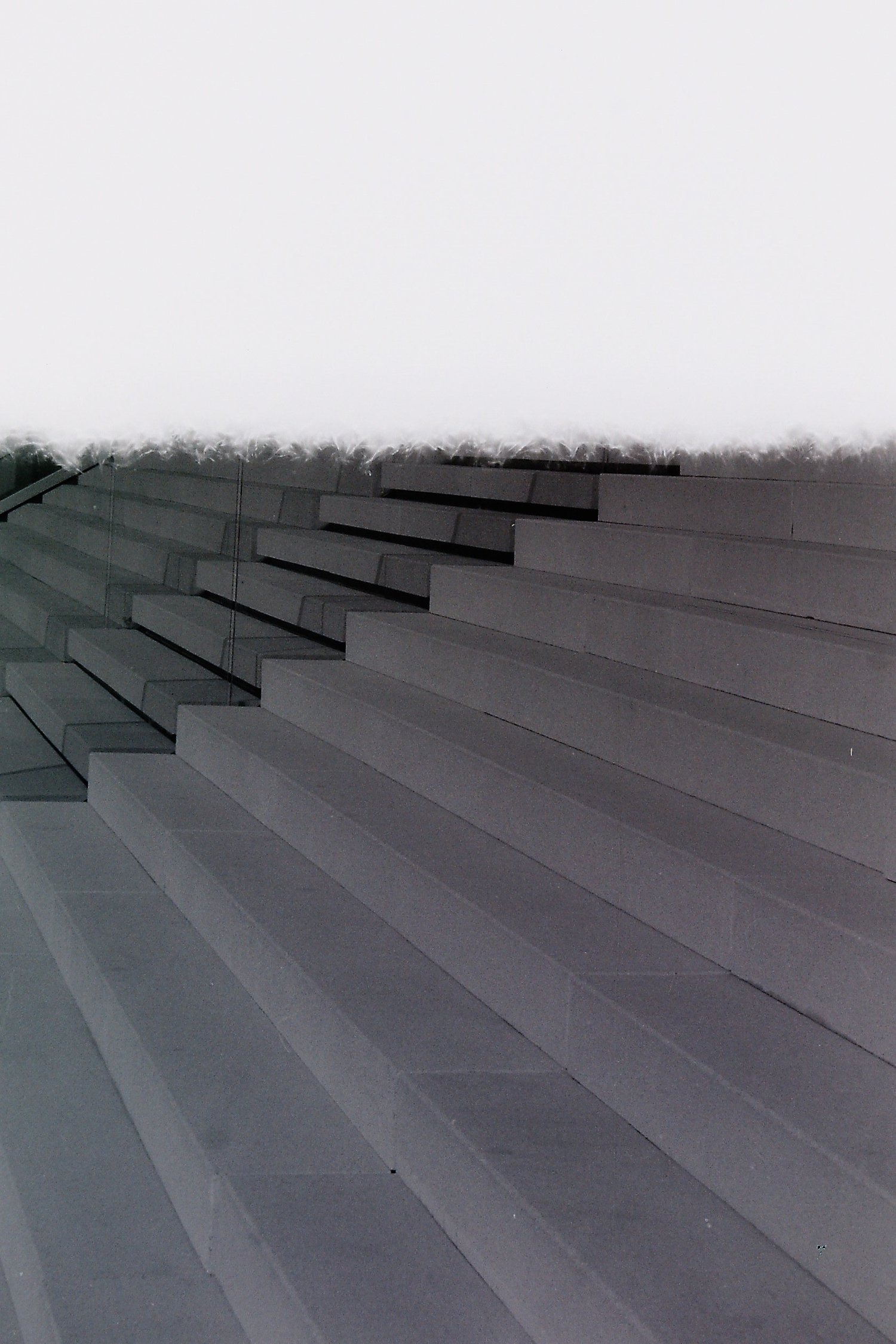
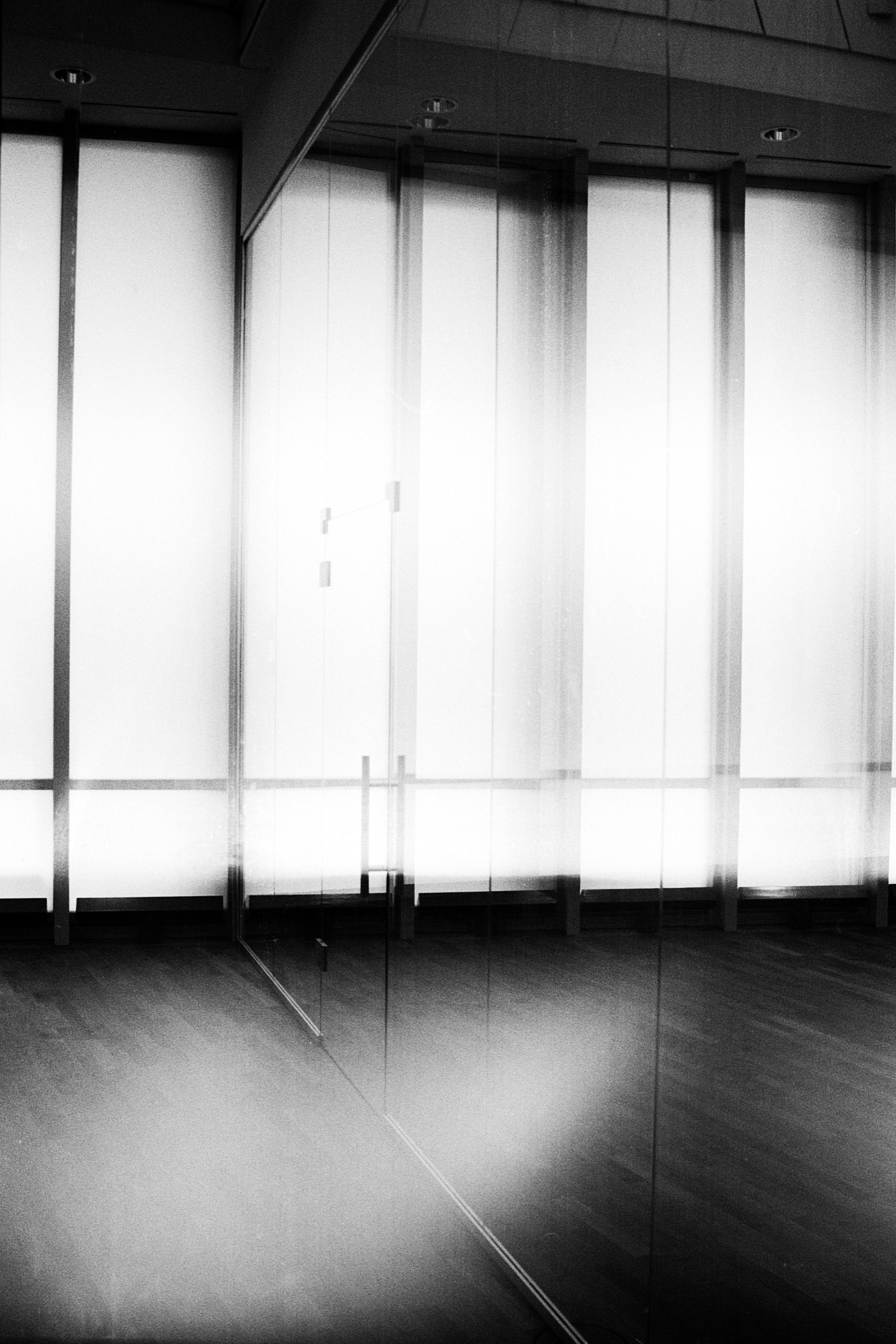
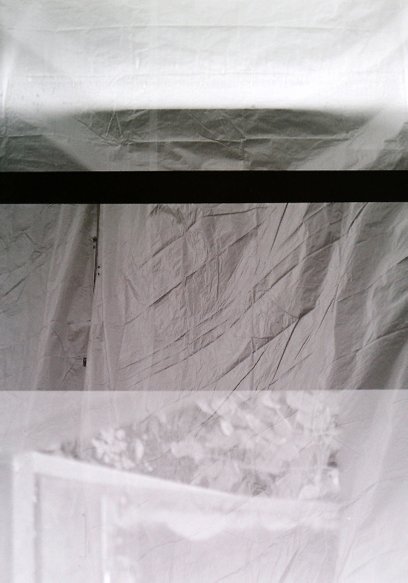
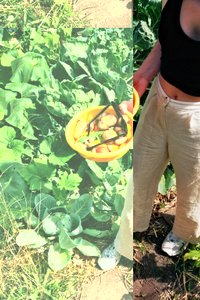
Tirana- Arles- & London Series, 2022-2025
Conference Room, 6th Form Hub, Canford School, Wimborne, UK
Commissioned by Canford School
Inkjet prints on paper
9x 148 x 210 mm
The exploration of the aesthetics of the overlooked is a recurring element in my practice. I reveal beauty in places often dismissed as unsightly, reminding viewers that aesthetics can thrive in the most unexpected corners of everyday life. The works in this collection draw from a wide range of contexts, merging fragments to forge new visual and conceptual spaces through their interconnectedness. My work encourages a recalibration of perception, illuminating the rich interplay between the repulsive, the unacknowledged, and the luminous.
P(l/r)AY, 2025
Canford School, Wimborne, UK
P(l/r)AY brings together works that explore time, memory, systems of value, and the quiet aesthetics of the overlooked. The exhibition reflects a world in flux—where moments fade, meanings shift, and beauty often hides in plain sight. How can systems of value shape what we choose to see—or overlook—in our daily lives? What does it mean to create beauty in a world where meanings constantly shift and dissolve?
In Anthotype Series, nine portraits of fleeting acquaintances are made using the anthotype technique—an early photographic process using plant-based pigments. As the images are slowly erased by light, they mirror the fading nature of memory and remind us how even brief human connections can leave lasting emotional imprints.
Terra Merita presents a visual lunar cycle in turmeric, its golden hues gradually altered by sunlight and moonlight over 29 days. These delicate prints speak to natural rhythms of change, offering a quiet counterpoint to our often accelerated, overstimulated reality.
The sculptural works in P(l/r)AY draw inspiration from the forms of children’s toys and architecture, embodying a playful tension between order and spontaneity. They ask how we can continue to play, to question, and to build meaning as adults within systems designed for structure and repetition. These pieces invite viewers to consider ritual—not only as something sacred or solemn, but as a form of creative inquiry and resistance.
The System of Objects, named after Jean Baudrillard’s critique of consumer culture. Combining photography, text and a coloured vision, the work explores how objects shift from being useful to becoming symbols in a world governed by spectacle and excess. By referencing the visibility of British consumer spaces, it reflects both fascination and critique—an ode to the very system it questions.
Running through all of these works is a commitment to the aesthetics of the overlooked. By drawing attention to the subtle, the discarded, and the uncelebrated, the exhibition invites us to recalibrate our ways of seeing. What happens when we place value on what is normally discarded, subtle, or uncelebrated? Whether through fading prints, modular structures, or recontextualised objects, these pieces forge new connections between the repulsive and the radiant, the forgotten and the familiar.
P(l/r)AY is both a call to reflect and a call to engage—to play with meaning, to meditate–pray through making, and to pay attention to what we usually pass by.